
Up to $5M
Revolving credit line
A revolving line of credit backed by your receivables and inventory. Fund production runs, buy materials ahead of demand, and take on bigger orders without waiting for the last invoice to clear. Limits often 10 to 20 times higher than fintech lenders, with no field exams and no manual reporting.




In manufacturing, the money goes out before it comes in. You're paying for raw materials, labor, and inventory weeks or months ahead of the invoice. The bigger the contract, the wider that window. For a manufacturer that's growing, that gap is just part of building things before you get paid. What you want is funding that keeps pace, available the moment a bigger order lands instead of after a months-long approval.

Cover materials and labor for a bigger build without waiting on the last payment to clear.
Stock raw materials or finished goods before a busy stretch or a new contract — on your timing, not your bank's.
Say yes to the order that's bigger than your current cash, and scale up without starting financing from scratch.
Draw from your line to move on tooling or an expansion right away, with no separate application.
An asset-based line of credit is secured by your receivables and inventory rather than your credit score alone. For a manufacturer, that's a good fit. Your balance sheet is full of exactly the assets that back the line.
Aion extends a revolving line against the value of your receivables and inventory, up to $5M. As you invoice more and carry more stock, your available credit grows with you. Draw what you need for a production run, repay as invoices clear, and draw again, paying only for what you use.
And because your receivables and banking live on one platform, Aion sees them in real time. No weekly borrowing-base spreadsheets, no field exams, no manual asset reports. None of the friction that makes traditional asset-based lending a chore.
Most online lenders cap around $250,000, barely enough to cover a single large purchase order. Aion is built for the next stage.
Credit sized to fund real production — not a starter limit you'll outgrow in a year.
Backed by your receivables and inventory, not a one-size formula.
Land a bigger contract, and your line rises as your receivables do, with no reapplying.
With Aion, you pay only for what you draw. Charges accrue daily on your outstanding balance, so repaying once an invoice clears stops the cost. For most clients, that's an effective cost of capital of about 2% on drawn amounts.
Manufacturers often weigh fixed-rate vs. variable-rate financing. A fixed rate locks your cost for the life of a loan. It's predictable, but you pay it on the full balance whether you're using the funds or not. A variable rate moves with market benchmarks. A revolving line works differently from either: you're charged only on what you've drawn, only while you carry it, so your cost tracks usage rather than a fixed schedule. For short, cyclical production financing, that usually costs less than a fixed-rate term loan sitting on your books.
Stated APRs range from 16% to 21% and vary with credit quality. Because charges apply only to your drawn balance and accrue daily, the effective cost most clients pay lands well below the APR on its own.
When manufacturers invest in equipment, they generally choose between dedicated equipment financing (a term loan or lease secured by the machine itself, repaid over its useful life) and flexible working capital. Each has a place. Equipment financing can make sense for a large, long-lived asset you'll pay down over years. A revolving line is the better tool when speed and flexibility matter: drawing from your Aion line lets you move on tooling, a retrofit, or an expansion right away, then repay on your terms, without a separate application. Many manufacturers use both, with equipment financing for the big machine and a revolving line for everything that keeps production moving.
Up to $5M, often 10 to 20 times higher than fintech lenders, which typically cap at $250K.
Aion sees your invoices clear automatically, without the borrowing-base spreadsheets or field exams a bank would require.
SOC 2 Type II, a California Lenders License, and a Cross River Bank partnership, with real manufacturers already on the platform.
Because Aion can see your receivables, it doesn't pull your line at the first slow month.
A lending team that knows your business by name, plus AI that anticipates your needs.
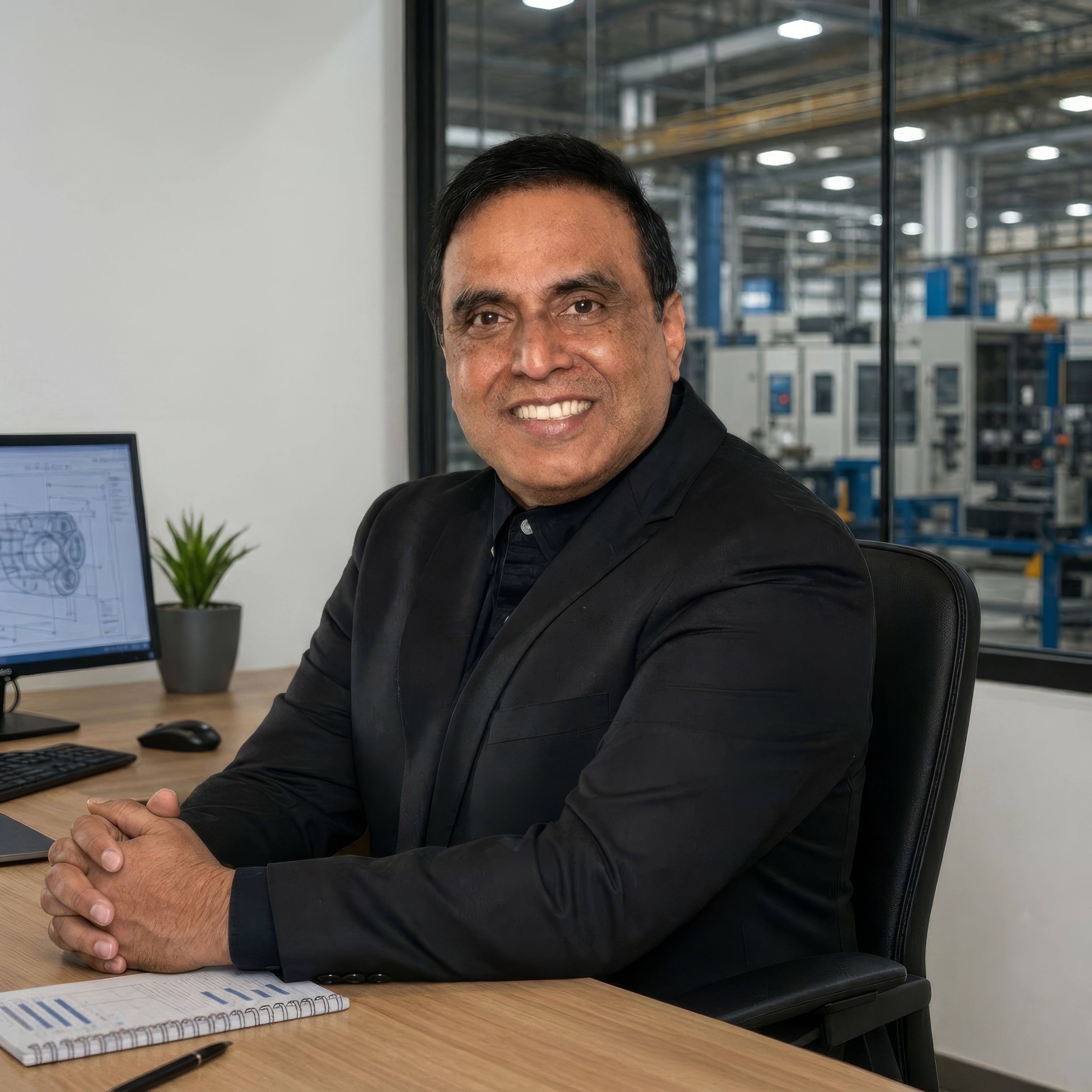
"Our growth journey — from $5M to nearly $18M — only happened with Aion."
A revolving line of credit secured by your receivables and inventory rather than your credit score alone. Aion extends credit against the value of those assets, up to $5M, and your available credit grows as your receivables and inventory grow.
Up to $5M with Aion, often 10 to 20 times higher than fintech lenders that cap around $250,000. Because the line is asset-based, it scales with your order book.
Yes. Your line is backed by receivables and inventory, and you can draw against it to buy raw materials or build finished-goods stock ahead of demand, then repay as those goods sell and invoices clear.
Factoring sells your invoices to a third party that then collects from your customers. Aion is a revolving line of credit: you keep your client relationships, draw only what you need, and typically pay less. Aion credit lines have an effective cost of about 2% on drawn amounts, versus 1 to 5 percent of the full invoice with factoring.
Yes. Banking and credit live on one platform, and that integration is what lets Aion underwrite on your live receivables and skip the manual reporting. Moving your banking to Aion is part of accessing the line.
Because Aion can see that your receivables are coming, it doesn't pull your line at the first lull. Aion is built to stay with manufacturers through the lumpy periods too.
Neither in the traditional sense. You're charged daily, only on the balance you've drawn, so cost tracks how much you use and for how long rather than a fixed schedule. For most clients that works out to about 2% effective cost on drawn amounts.